Social Media is the
New Smoking.
This is not a self-help book. It's an intervention. A mirror you may not want to look into — but probably need to.
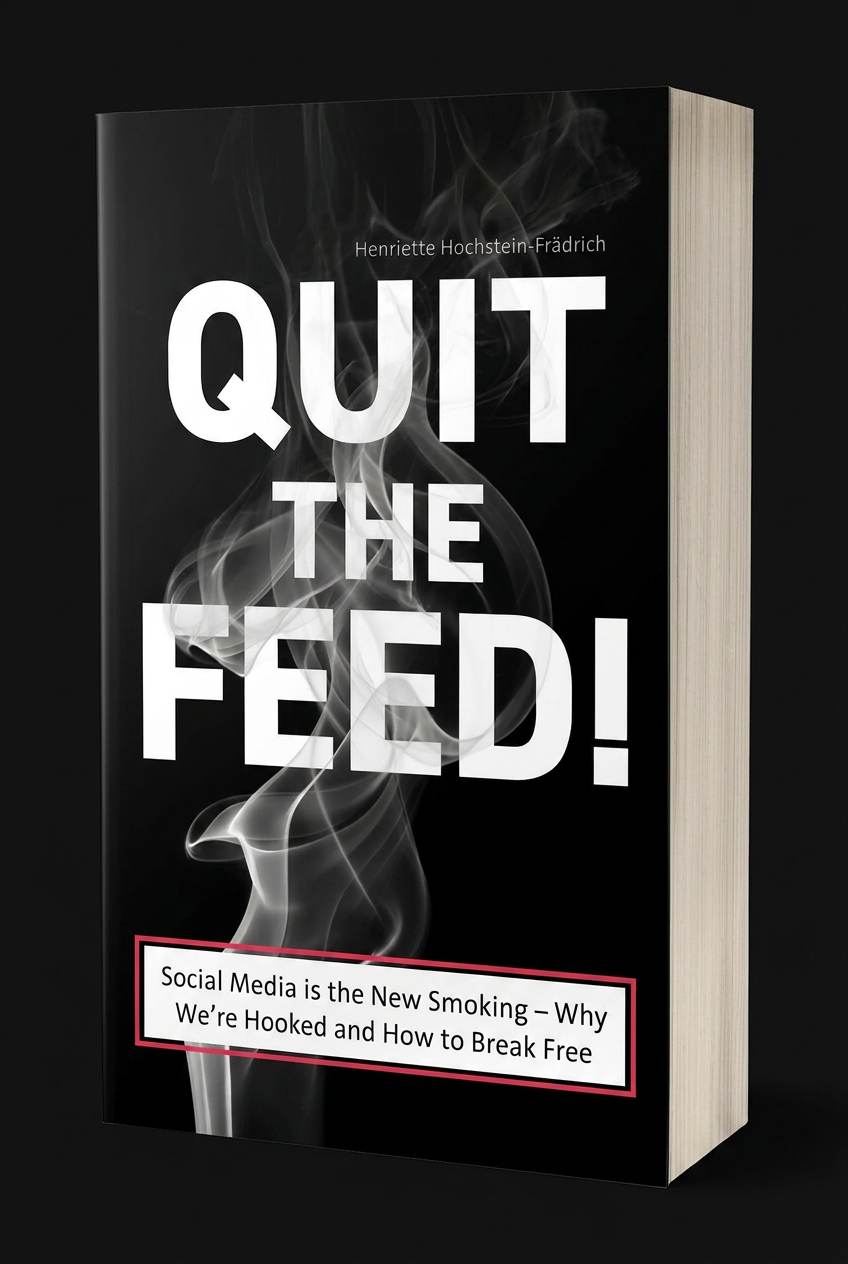
"Ping. Like. Comment. Another Reel. Your brain was built for hunting, making fire and gathering berries — not for this. The algorithm became the ringmaster of your desire. And you didn't even notice you'd bought a ticket."
— Henriette Hochstein-Frädrich, Quit the Feed!
Two centuries.
The same hook.
The Physical Hook
Nicotine targets the dopamine receptors. It provides a temporary relief from a withdrawal it created itself. We ignored the cough until the x-ray showed the truth.
The Neural Hook
The infinite scroll is the filtered cigarette of the 21st century. It doesn't rot your lungs. It rots your attention span, your empathy, your sleep, your agency.
You reach for your phone without really wanting to.
You scroll through the feed for no clear reason — and afterwards you wonder what you were actually doing there. You notice you often feel worse after a long session: more restless, more distracted, less satisfied with your own life.
You have thought about quitting. More than once. You have told yourself you should cut back, take a break, try a digital detox. And yet — somehow — you keep going back.
If this sounds familiar, you are far from alone. Social media is not a harmless communication tool. It is a perfectly engineered attention and addiction machine — and one of the most profitable industries of our time.
Why social media is so addictive.
Platforms are not neutral environments. They are carefully engineered to capture and hold your attention for as long as possible — because attention is the most profitable resource in the digital economy. Three psychological mechanisms do the heavy lifting.
Variable Rewards
Every notification, like or new post triggers a small dopamine release — but the reward is unpredictable. This variable-reward system is the same mechanism that powers slot machines.
Fear of Missing Out
The feed manufactures a constant low-grade anxiety: if I log off, I might miss something important. That perceived urgency keeps you connected even when you are exhausted.
Social Comparison
We are biologically wired to compare. The feed amplifies this instinct against an endless stream of curated highlight reels — quietly eroding self-confidence and distorting our sense of reality.
Your mind becomes quiet again. You work with deep concentration. You stop measuring your life against curated highlight reels. Your phone is no longer an extension of your hand — it just lies somewhere in the background. And one day you notice something almost unbelievable: you don't miss it at all.
Choose Your Exit
Available globally in Paperback & E-Book — in every regional Amazon store. Not listed below? Just search "Quit the Feed!" in your local Amazon and you'll find it.
Each link opens the paperback edition · Kindle e-book linked on the same product page
The Digital Tobacco Files
View Archive →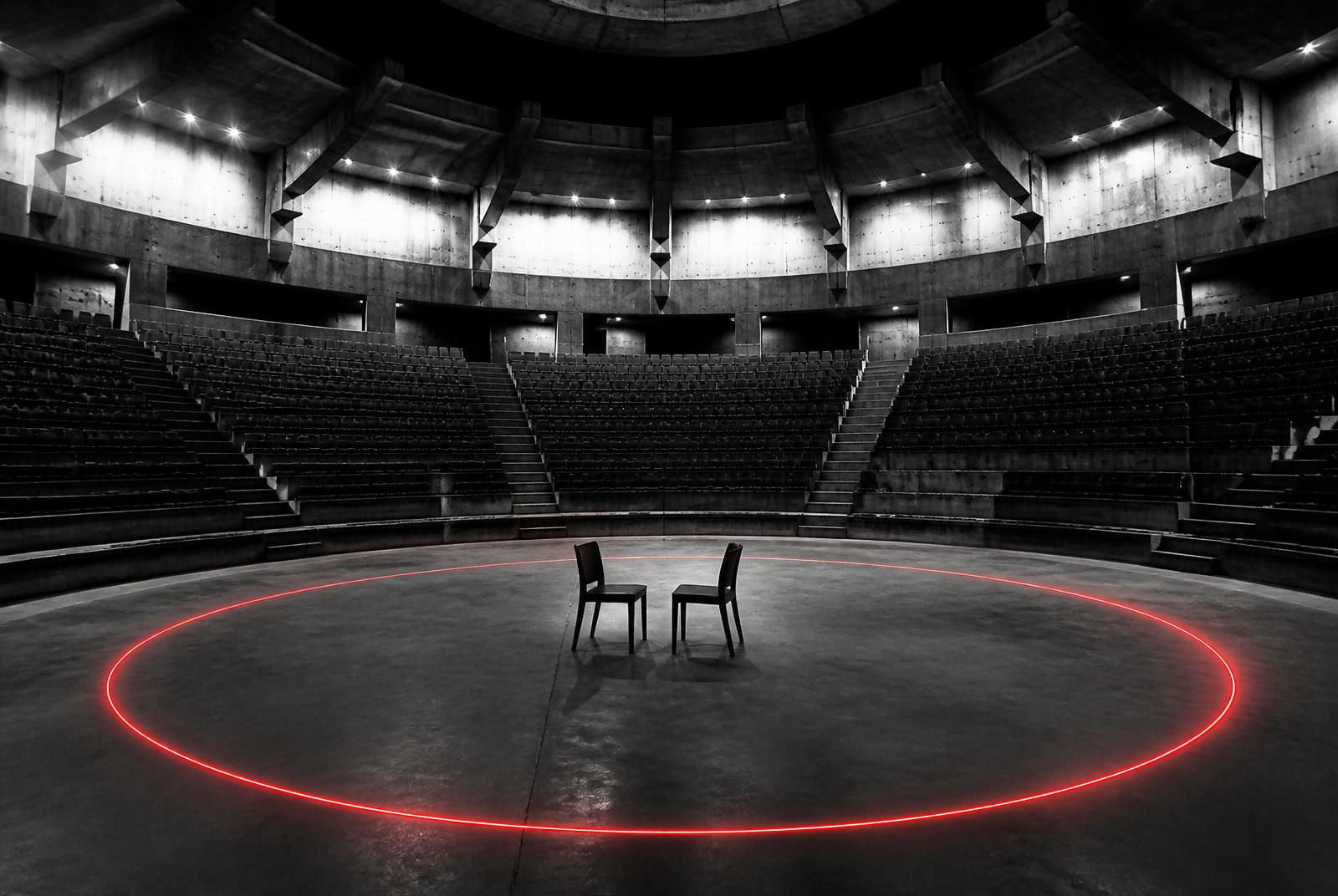 Social Media Critique
WHAT IF SOCIAL MEDIA WERE ACTUALLY SOCIAL AGAIN?
Follower counts gone, likes private, a feed with an ending, and advertising out of the center: what would a network look like that is actually social again?
 Social Media Critique
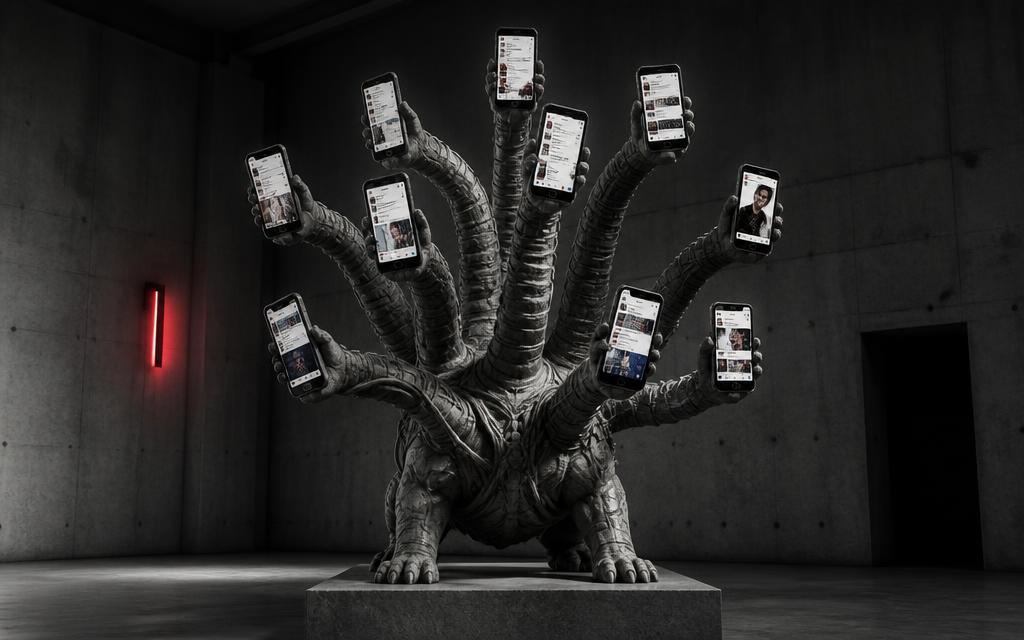
WHY YOUR INSTAGRAM FEED IS NEVER ALLOWED TO BE EMPTY
You unfollow people and clear out accounts, wanting to see only what you chose. The algorithm hears that differently — and fills every gap immediately.
 Digital Detox
The Happiness Nobody Saw
A summer in Provence, a wedding, long evenings — and almost none of it online. Why life gets bigger the moment you stop turning it into content.
What happens
when you leave.
People who step away from the feed describe a surprisingly similar shift. Focus returns. Stress drops. There are more real conversations, more presence, more time. Creativity comes back. Productivity rises. An inner calm replaces the constant background noise.
Less pressure. Less comparison. Less low-level worry about keeping up. In simple terms: suddenly more of what genuinely feels good — and far less of what was quietly draining you. The full 5-step withdrawal protocol is in the book.
This book shows you
what's really going on.
Not another productivity hack. Not another gentle invitation to "use your phone more mindfully." This is an exposé of the deeper mechanics behind social media addiction — and a radically different way out.
Inside the book you'll discover:
- Why social media is engineered to be addictive — and why willpower alone fails.
- How platforms deliberately hack the brain's reward systems.
- Why digital detox strategies almost always fail.
- How a real, sustainable exit actually works — a structured 5-hour protocol.
- How wildly good life becomes on the other side — and everything you get back the moment you're out.
This is not about optimising your screen time. It's about dismantling the excuses we use to stay — and reclaiming your attention, your clarity, your emotional independence.
The European Voice in Digital Ethics
Henriette Hochstein-Frädrich is a German author, keynote speaker, and thought leader exploring attention, digital behavior, and radical focus in an age of constant distraction.
Writing from a distinctly European cultural perspective, she examines the psychological, societal, and economic forces shaping our relationship with technology — often challenging dominant Silicon-Valley narratives around productivity, visibility, and digital success.
With a background in journalism and entrepreneurship, Henriette combines analytical depth with a provocative, emotionally intelligent voice that resonates with audiences navigating transformation, overload, and the search for clarity in modern life.
More on Henriette's professional background, keynotes, seminars and speaking work: henriette-fraedrich.com ↗
Contact & Book for Keynotes / Speaking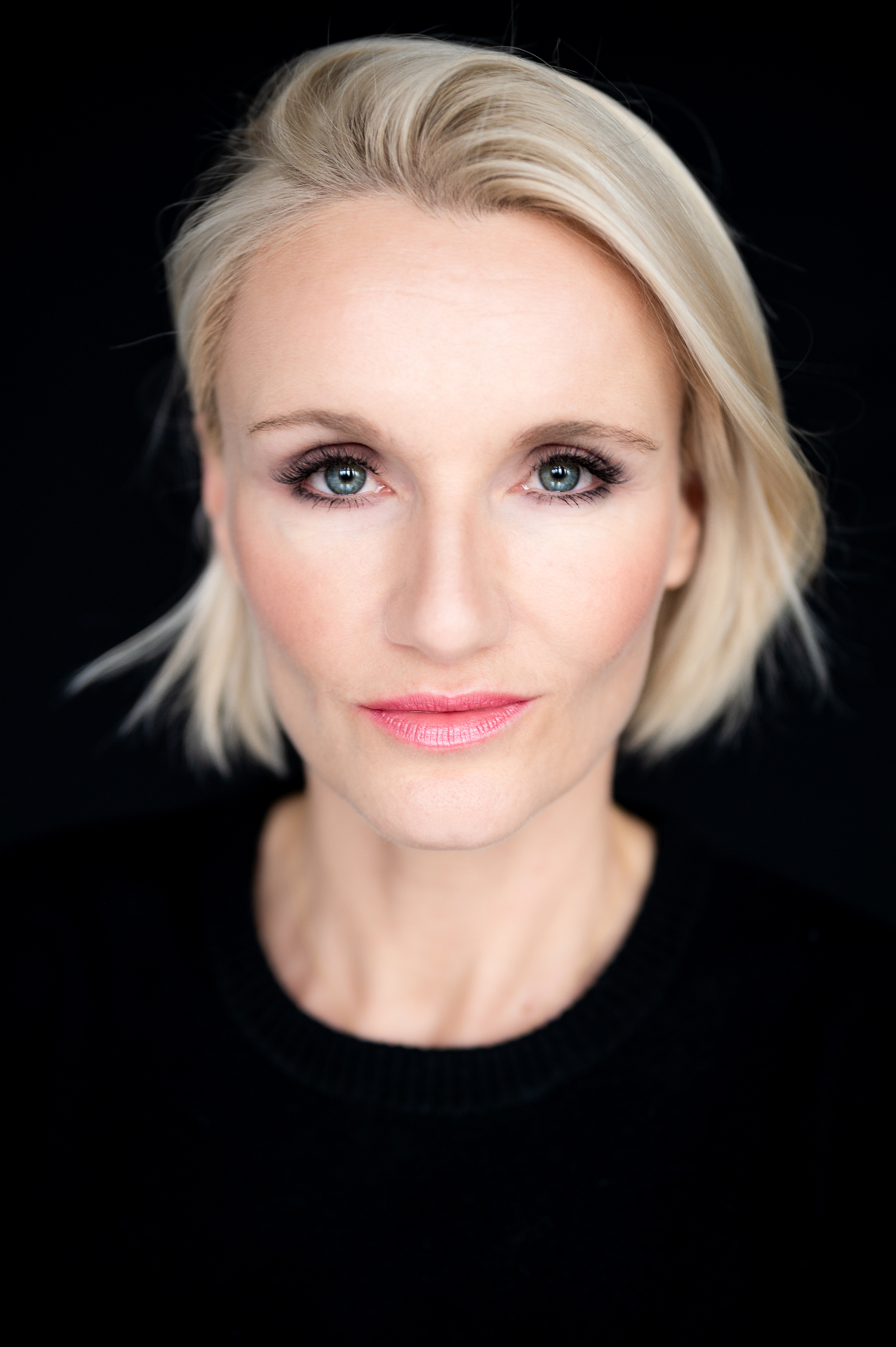
More good thoughts. Less feed.
New essays straight to your inbox. For people who'd rather read good thoughts than scroll endlessly. Unsubscribe anytime.